
Celtra Video Editor
Overview
Company: Celtra
Timeframe: 2015–2016
Role: Director of Product → Sr. Director of Product
Background
By 2015, phones had become the main screen for video, ad budgets began rapidly shifting, and every video platform was launching new ad products each quarter. Meanwhile, brands began realizing their expensive TV ads are being skipped and scrolled past long before the product makes an appearance.
A massive opportunity opened up for whoever would concoct how to make video ads that perform well in this alternate reality of watching on a vertical screen, with sound off, while rapidly scrolling through app news feed timelines.
Results
- Performance: Consistently higher video completion rates (up to 80% with pilot campaigns)
- Validation: Partnership with Kargo
- Industry impact: The launch roadshow attracted 700+ professionals from Google, Vice, NYT, The Guardian, NBC Universal, Twitter, et al.
Ownership
I was responsible for the product’s research and design, directing MVP development, and evangelizing it in a hands-on player/coach role.
Show individual contributions
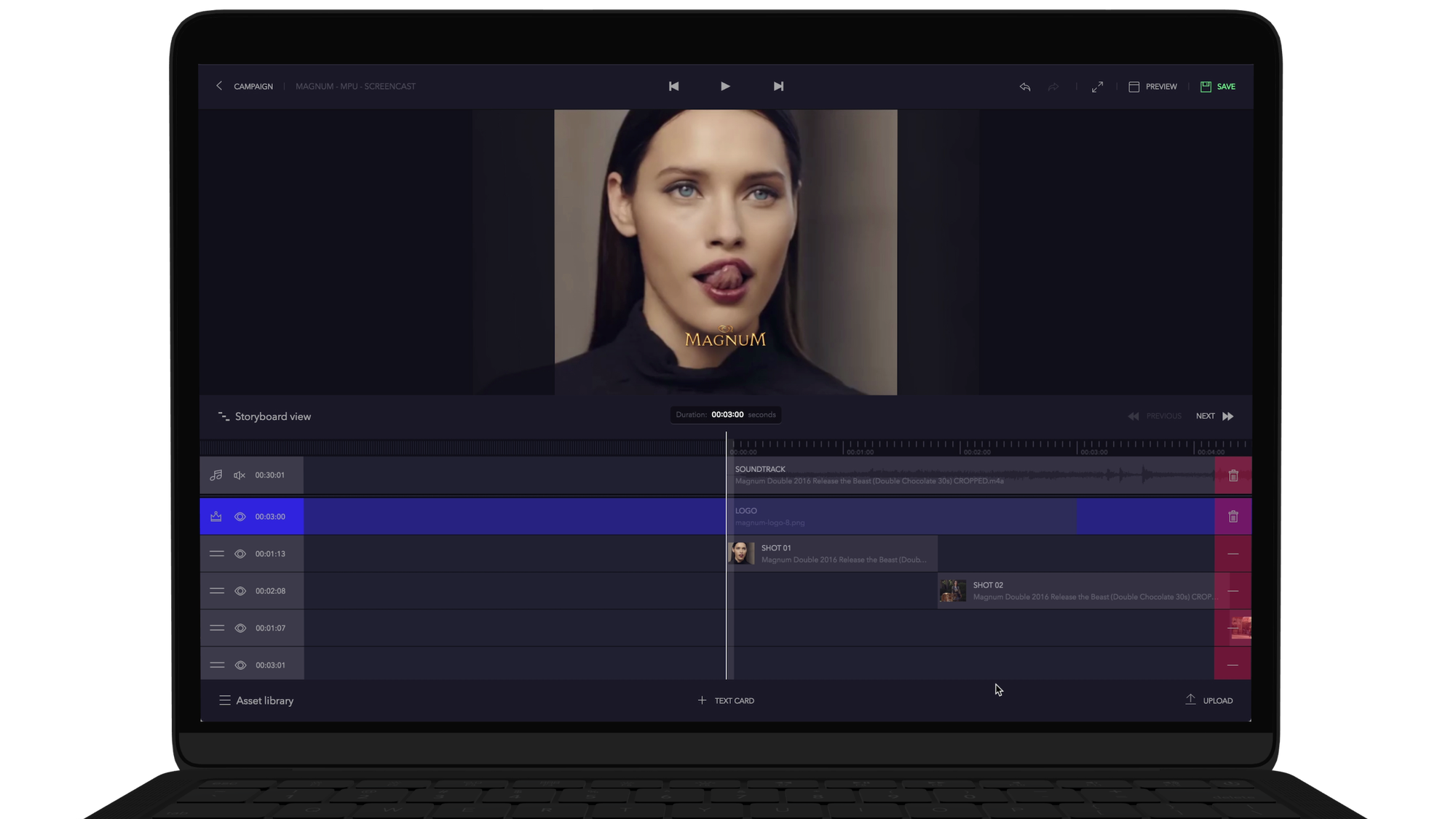
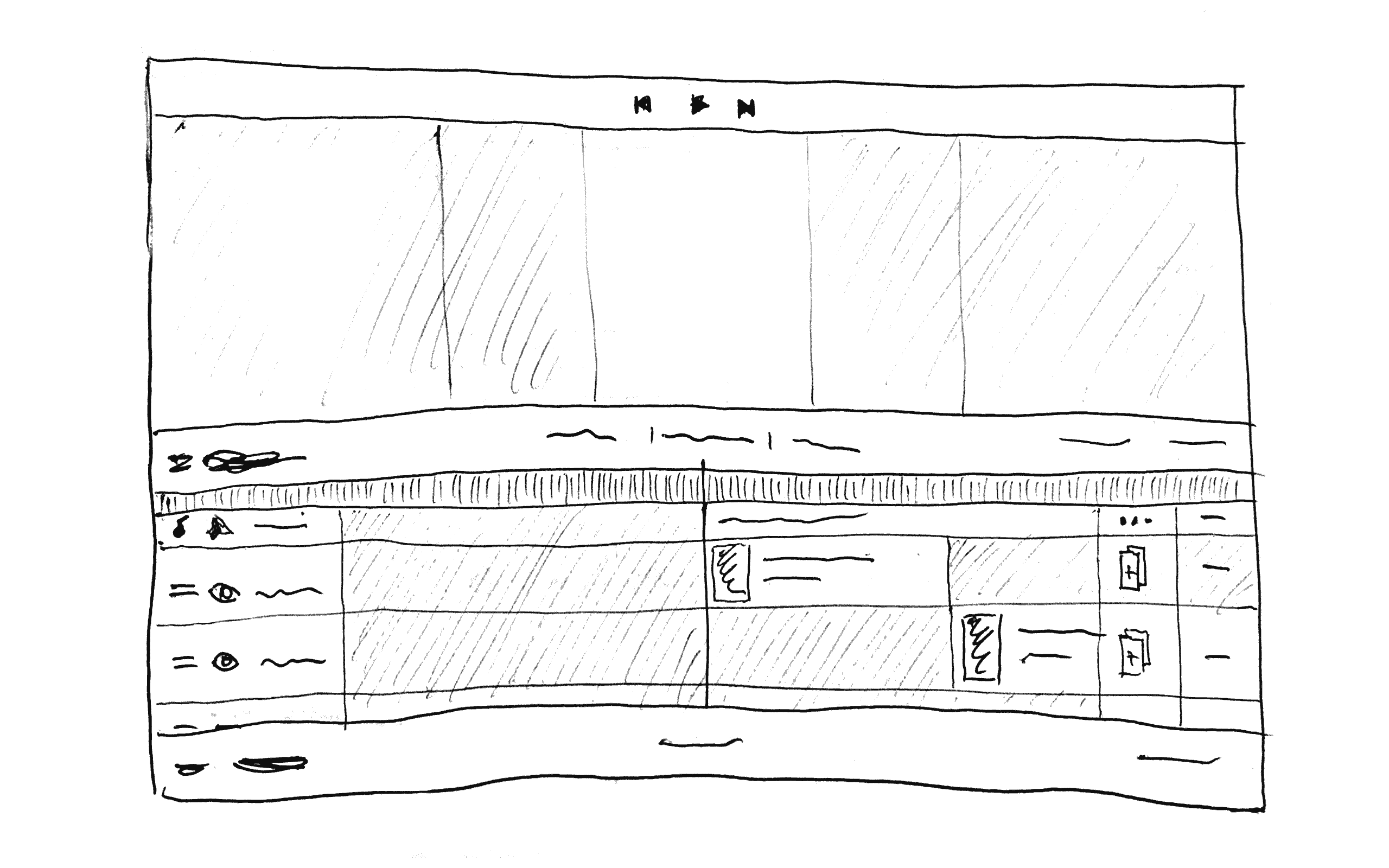
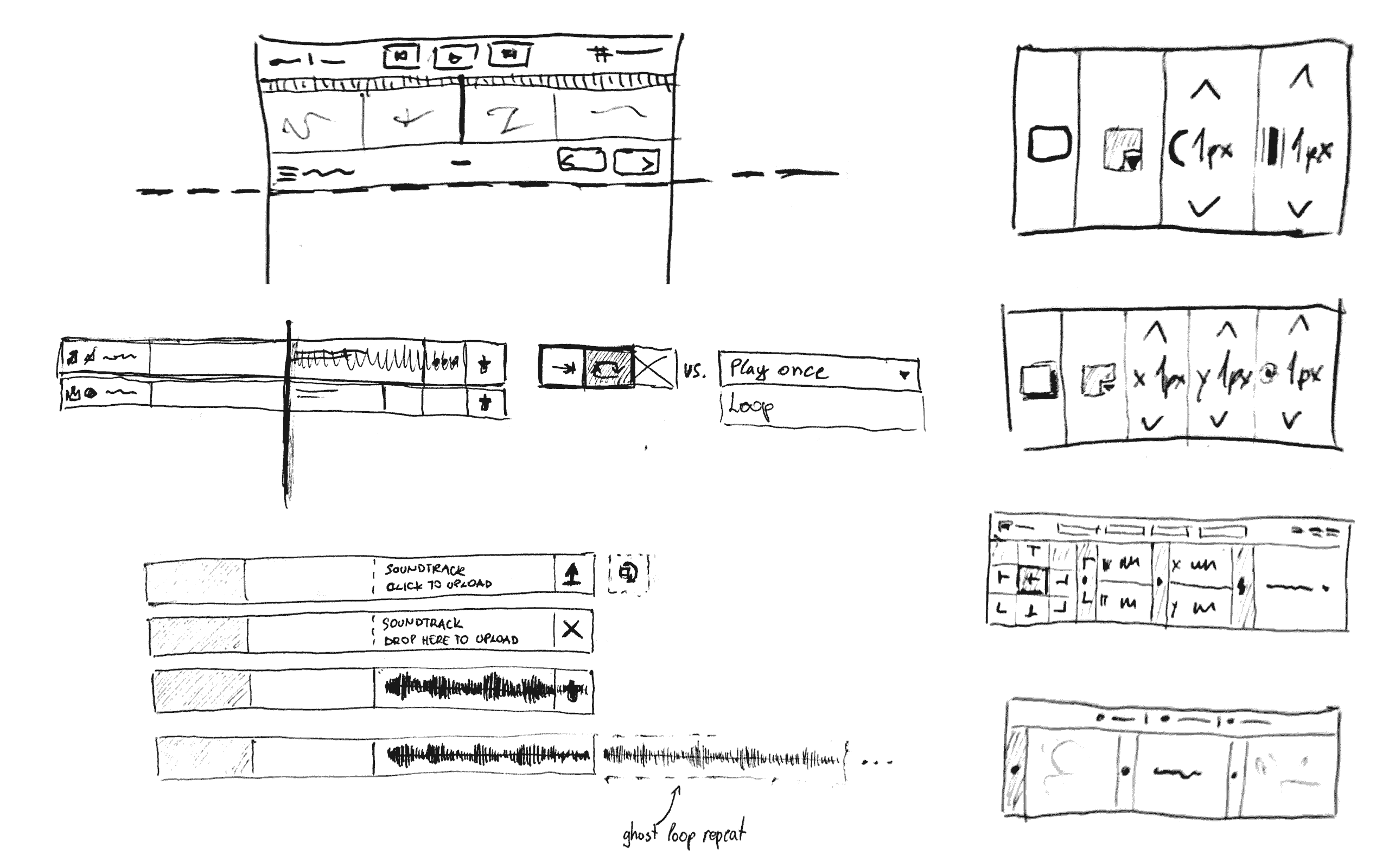
- Designed a video editor web app specialized in adapting TV ads, simple enough for amateurs to master
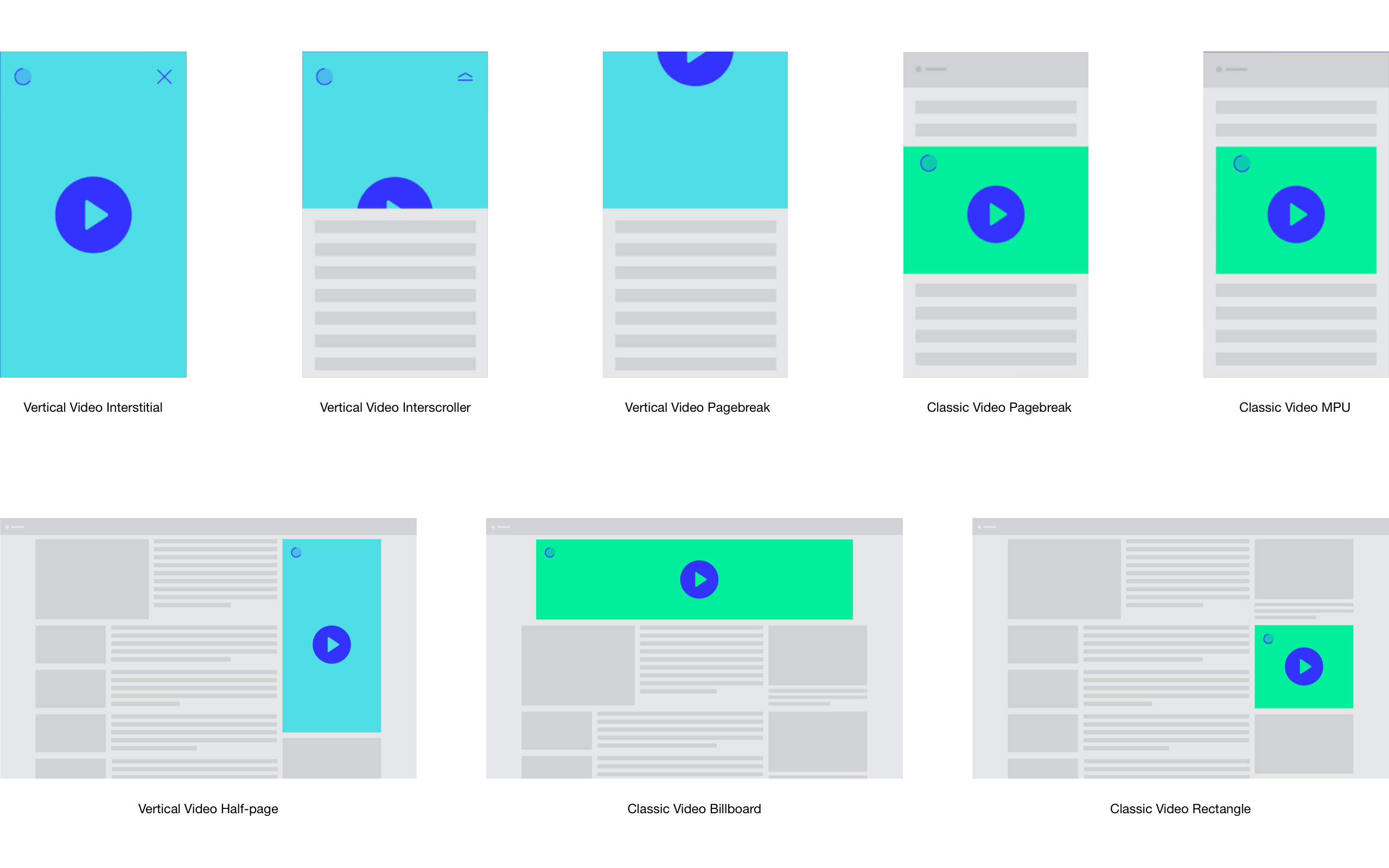
- Designed an outstream video player UI and ad format specifications for YouTube, Facebook, Instagram, and Snapchat
- Executed qualitative analysis of video ad typology that informed product strategy and requirements
- Developed the production methodology for adapting TV ads into silent vertical video ads that consistently delivered performance lift
The leadership side of the role included driving the product strategy with the CPO, leading an interdisciplinary team of product managers and designers as the project scaled, and supporting marketing and sales peers with go-to-market activities.
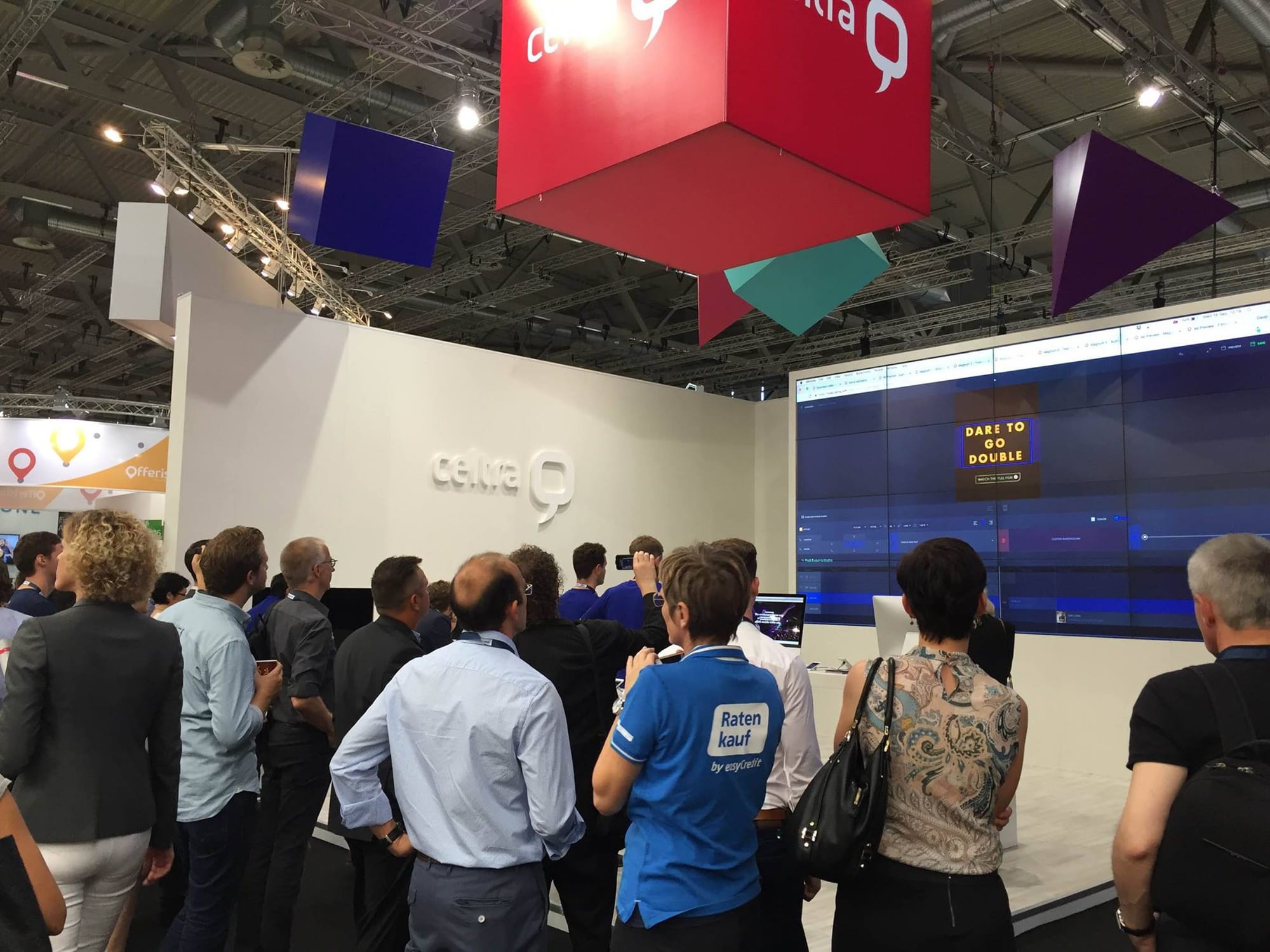
Celtra Video Editor demo
"Celtra's new mobile technology is born from consumer insights and is perfectly merging media and creative. The campaign performance exceeded expectations by far—achieving results 80% above industry benchmarks."
— Giovanni Perosino, Head of Marketing Communication, Audi
Highlights
Campaign data from Celtra’s platform pointed one way: video that performs on mobile is short, vertical, and works without sound. We set out to investigate if 30-second-long, widescreen, and sound-reliant TV ads could be adapted for the mobile context.
Re-framing the problem
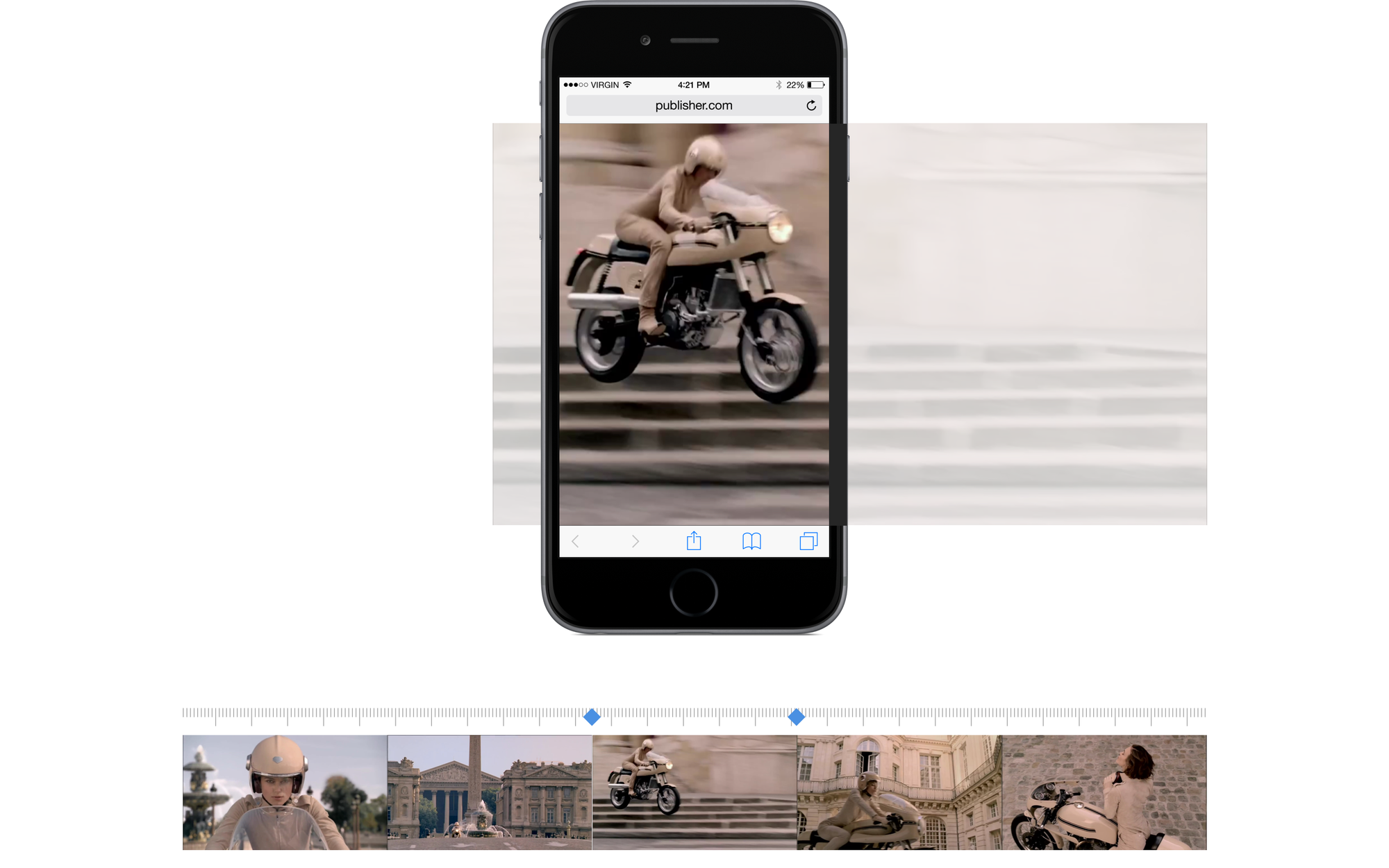
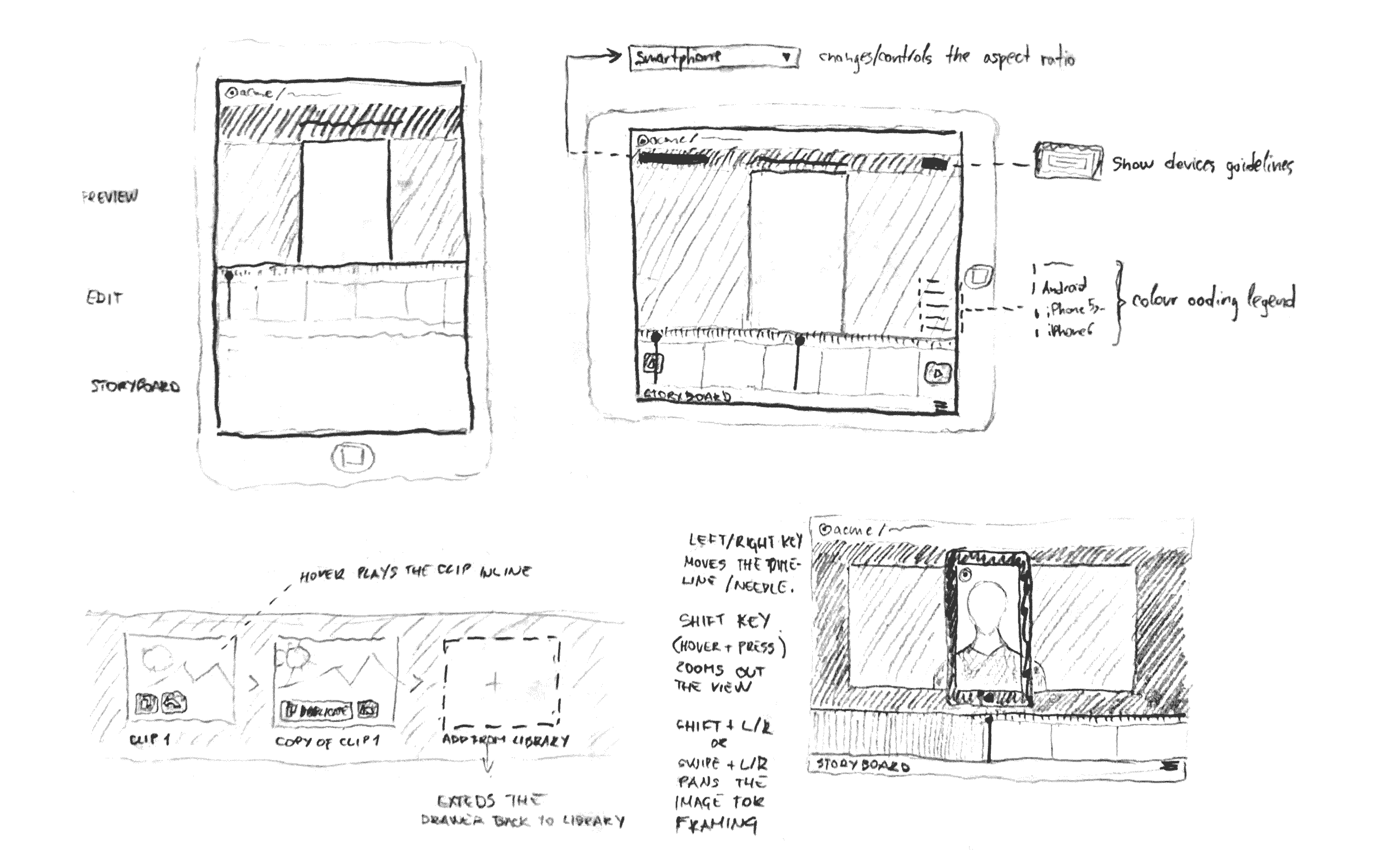
Turning landscape video to portrait isn’t as straightforward as cropping a photo. To ideally position a moving subject, each frame needs to be cropped differently. The solution lay in the old pan-and-scan technique used to adapt widescreen films for television. Not easy, but doable.
Long story short
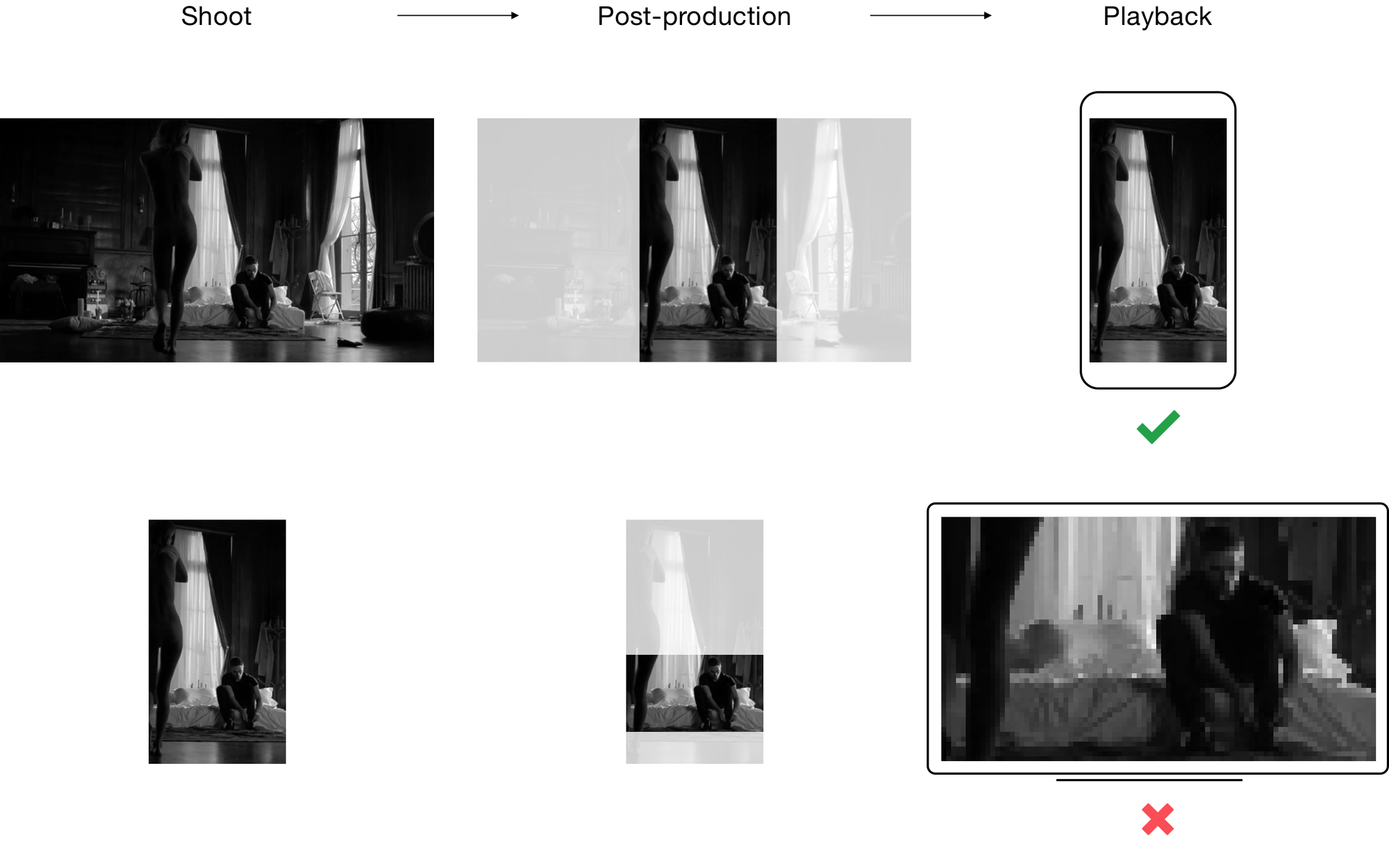
The core problem was changing the video’s duration. In most cases, image is inseparable from the sound. Re-cutting requires technically complex tools, advanced editing skills, and often can’t be done without source files (e.g., multiple audio tracks).
Original Adidas "there will be haters - Lionel Messi" by Iris
Short form vertical video re-cut
Breaking the sound barrier
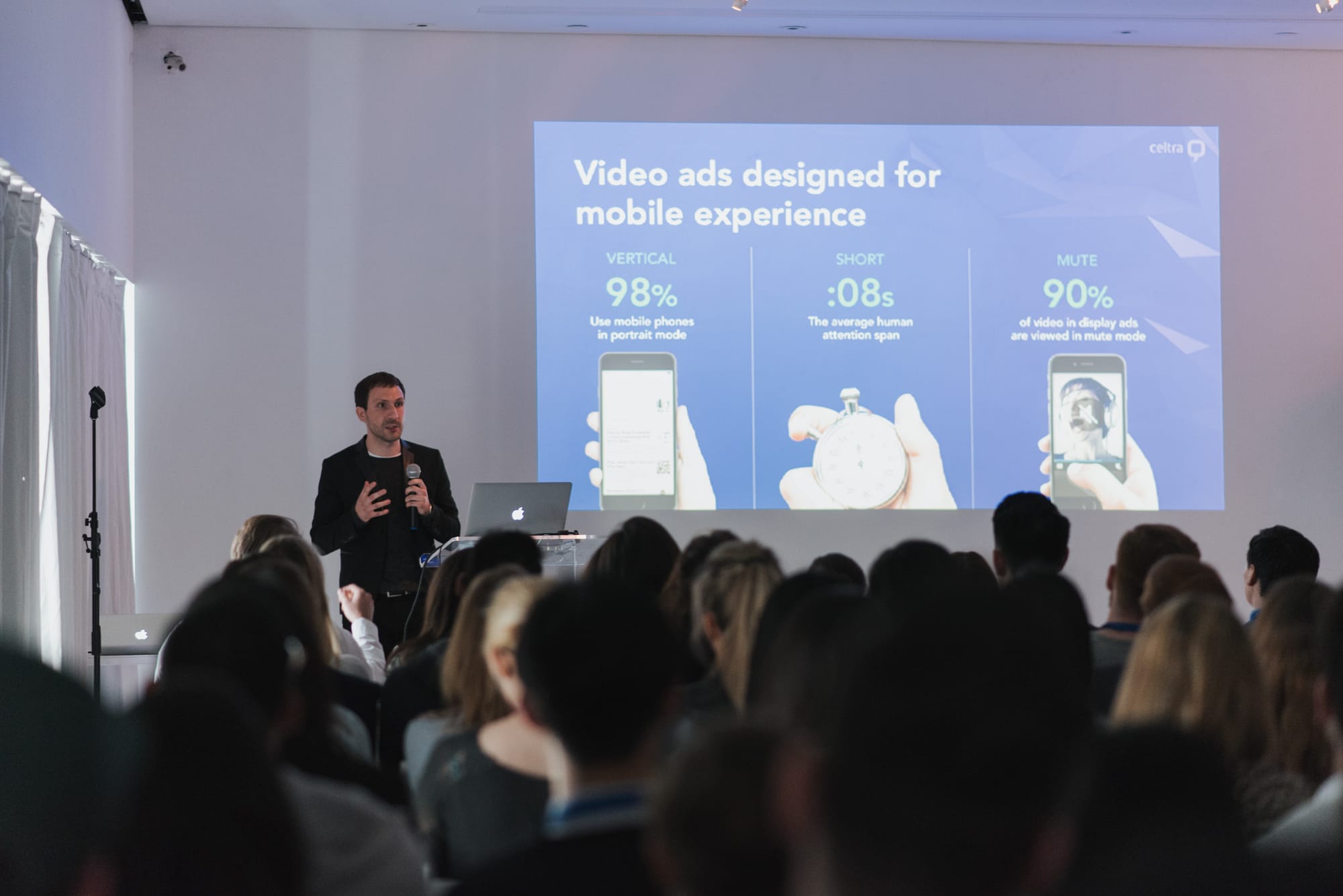
Our data analysis revealed that over 90% of users have devices in silent mode, and most publishers autoplay videos with sound off. If we were to remove sound from the picture, editing becomes simple enough for anyone to do and significantly reduces loading time. The narration and dialogue could be replaced with title cards, motion graphics, and subtitles.
The result would be a new format that sits between GIF and full-fledged video. Silent Film 2.0.
These findings became the foundation of the product strategy:
- Brands are unlikely to pay for two separate shoots (landscape for TV and vertical for digital); a one-size-fits-all approach is more likely to succeed.
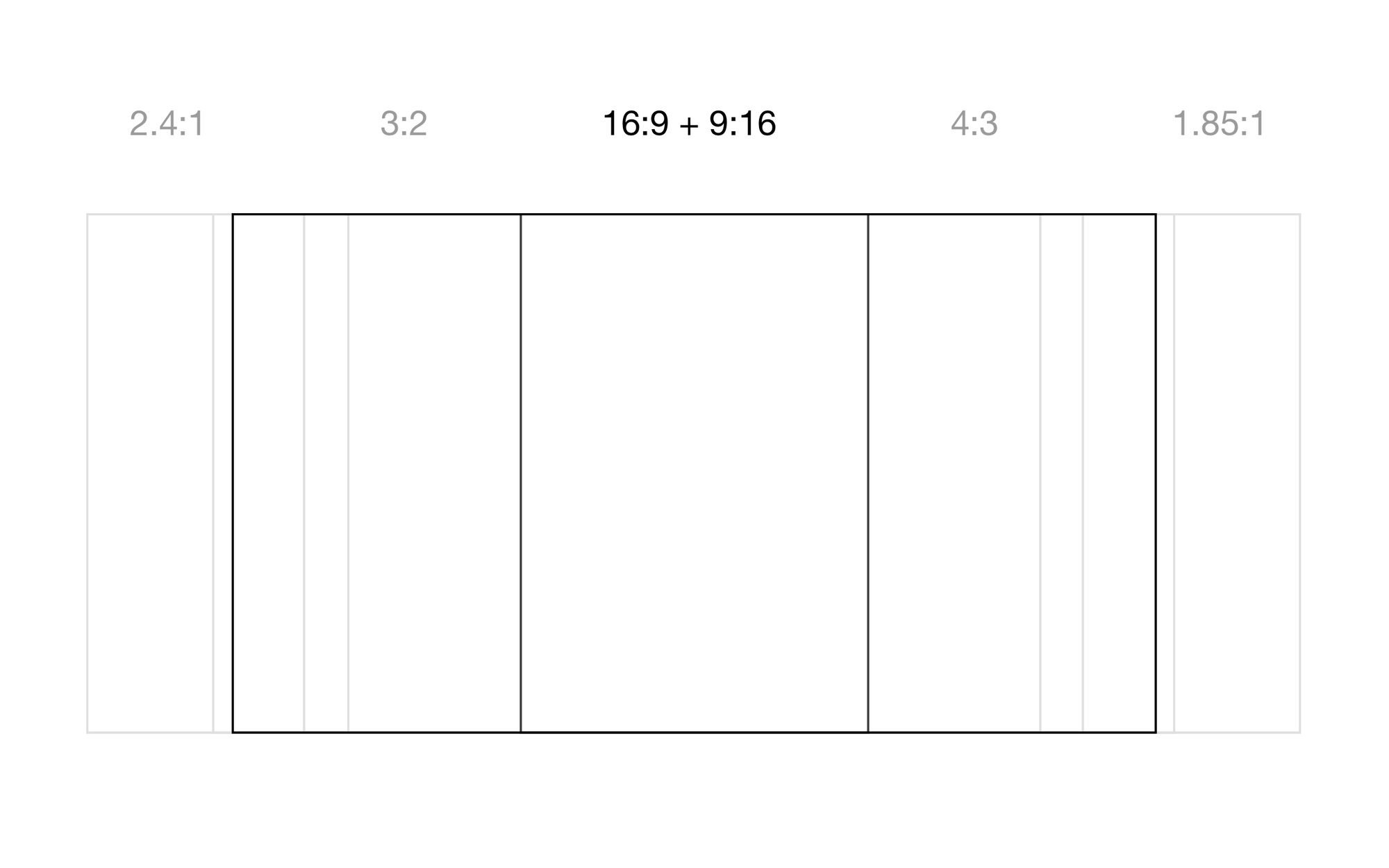
- The video needs to be shot in landscape but directed so that the subject can always be framed within a 9:16 vertical format.
- Audio is nice to have; the video should be able to fully communicate its content without sound (progressive enhancement).
Designing for amateurs
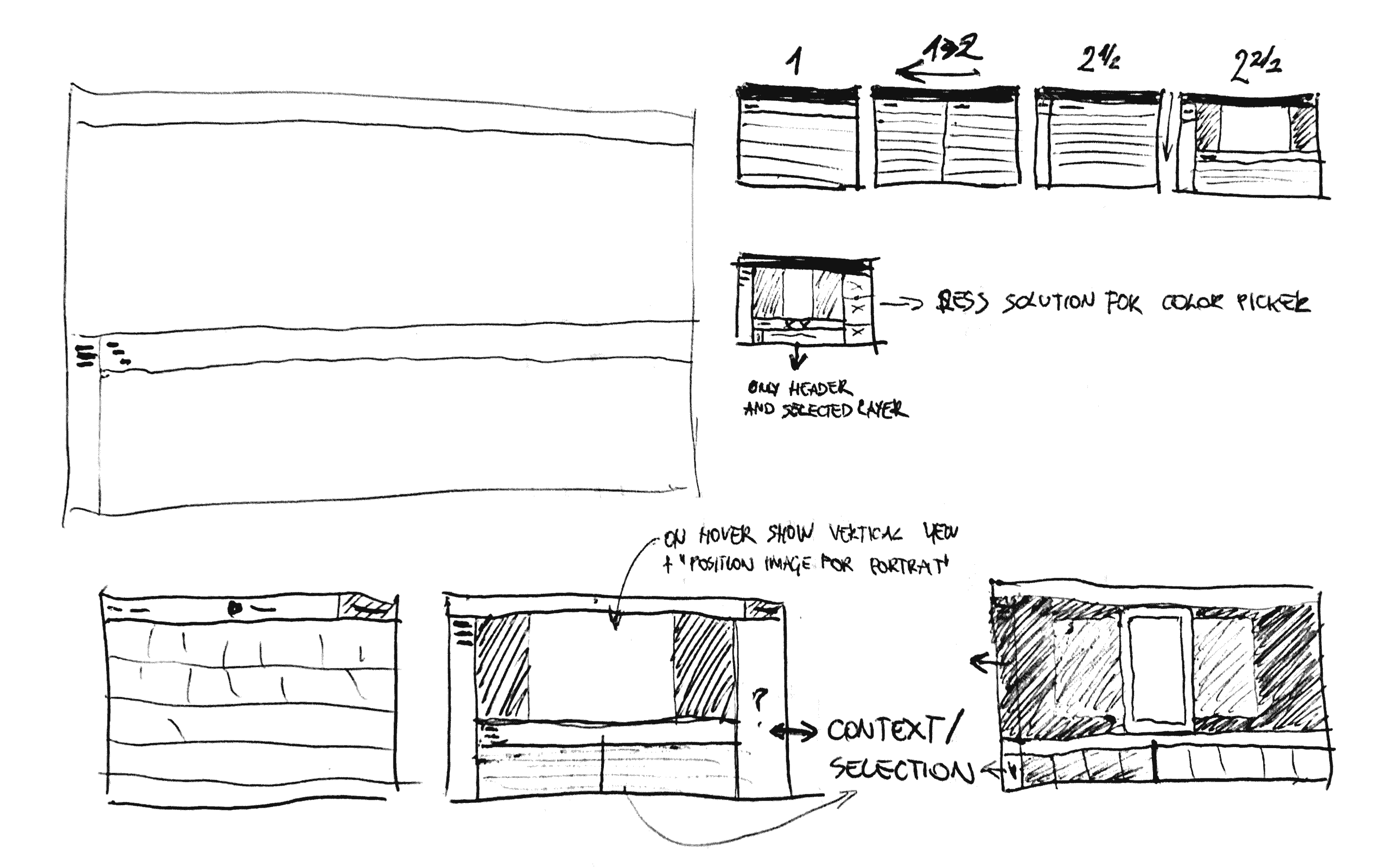
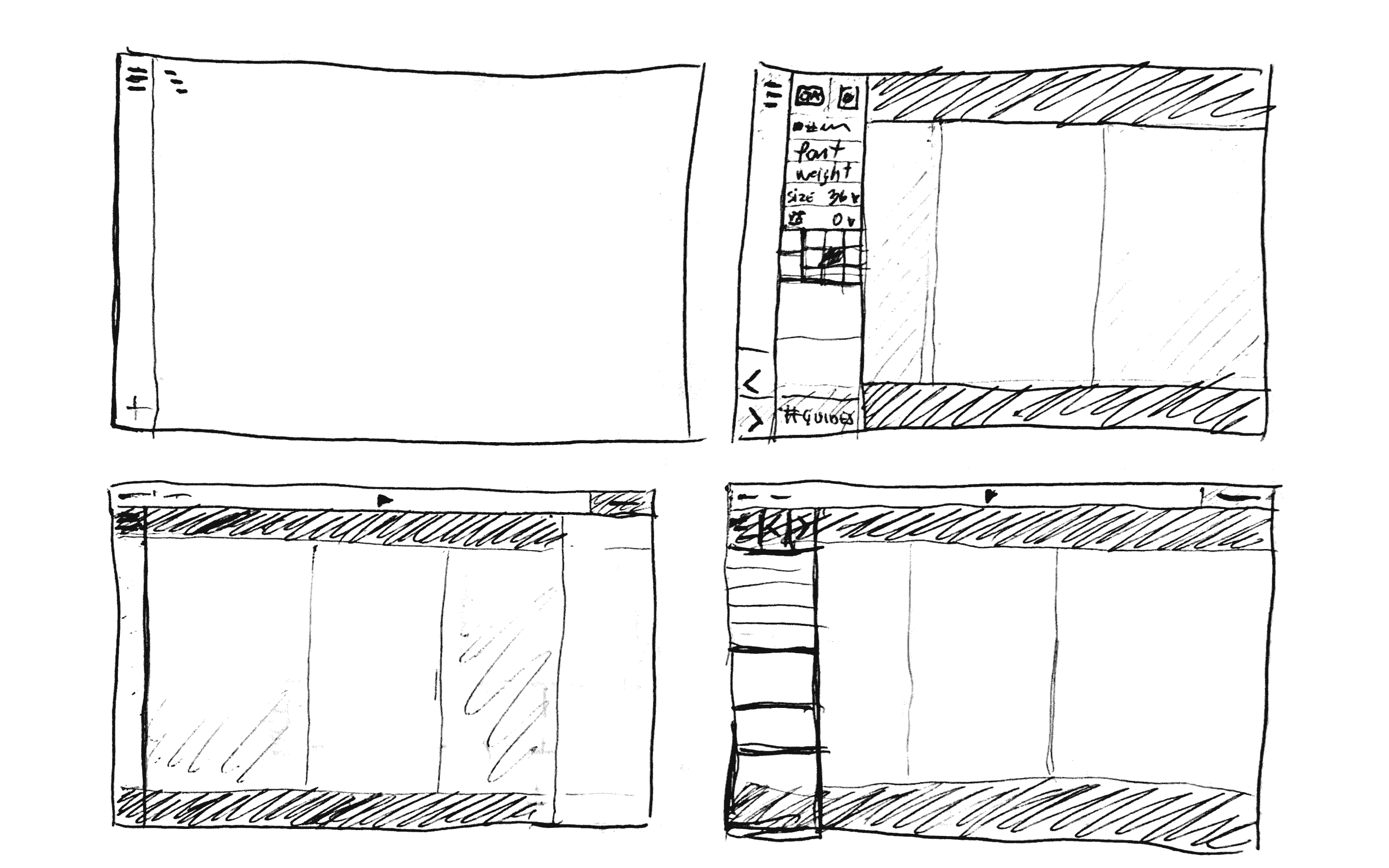
During product discovery, we used Adobe Premiere and After Effects to experience the newbie learning curve and identify the pain points. We also studied the simplicity of emerging mobile video editing apps and started by designing for tablets to keep the UI constrained.
We found potential for greater simplicity in three areas:
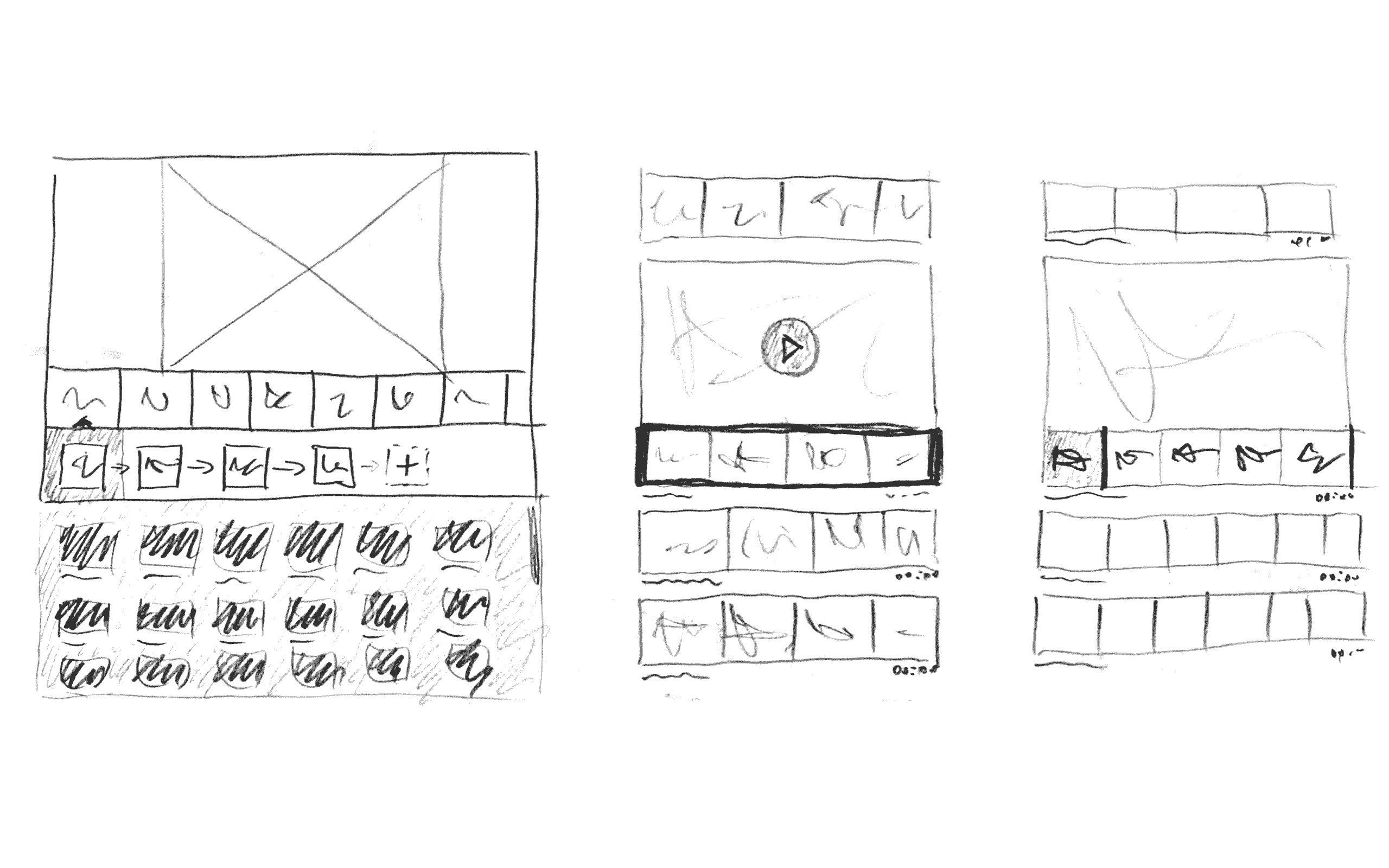
- A guided flow: import media, sequence shots and cards, then reframe and design them.
- Each mode gets a UI specialized for its task, instead of forcing all functionality into buttons and dropdowns.
- Adding labels to all buttons and removing functions not relevant to the task at hand
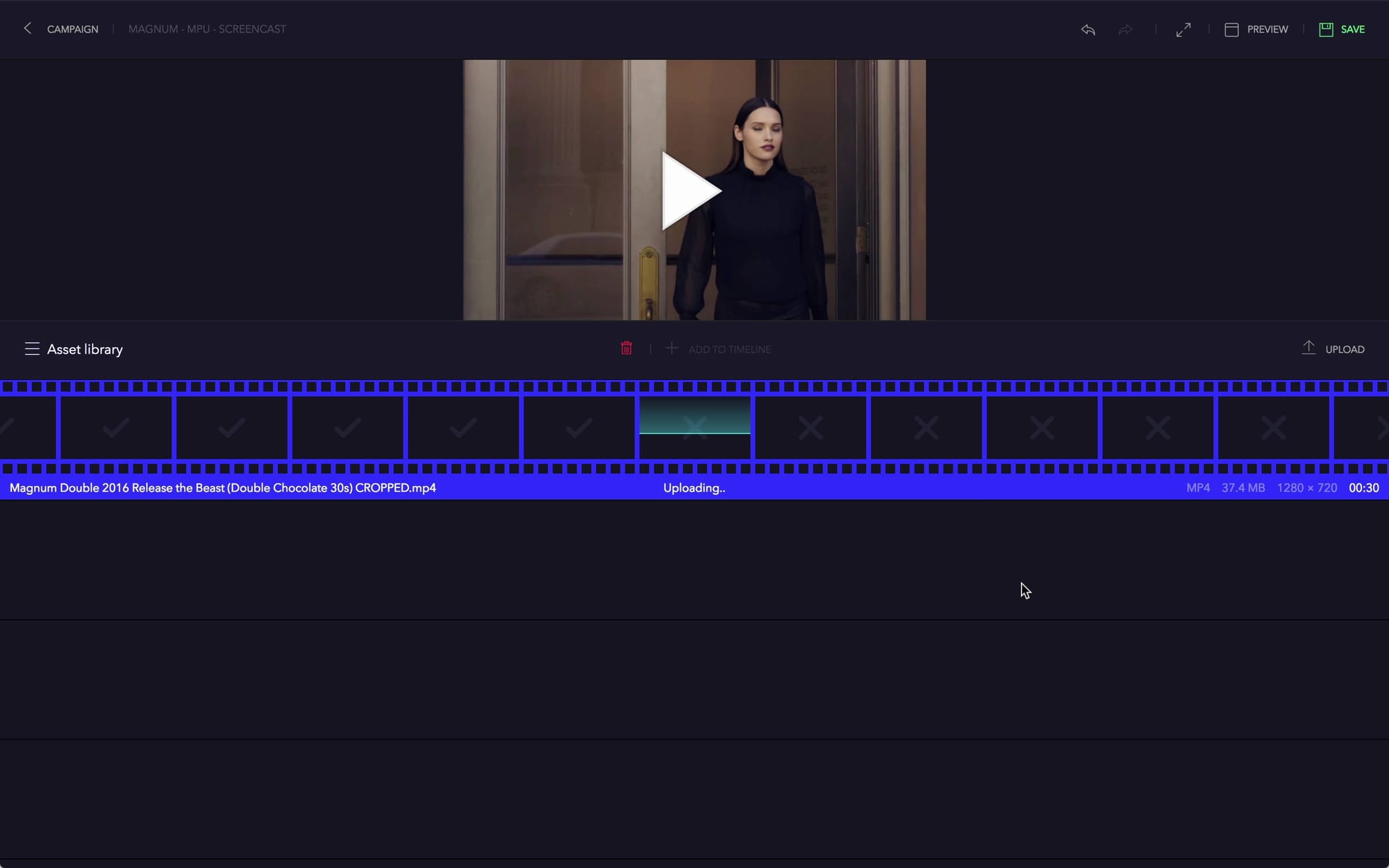
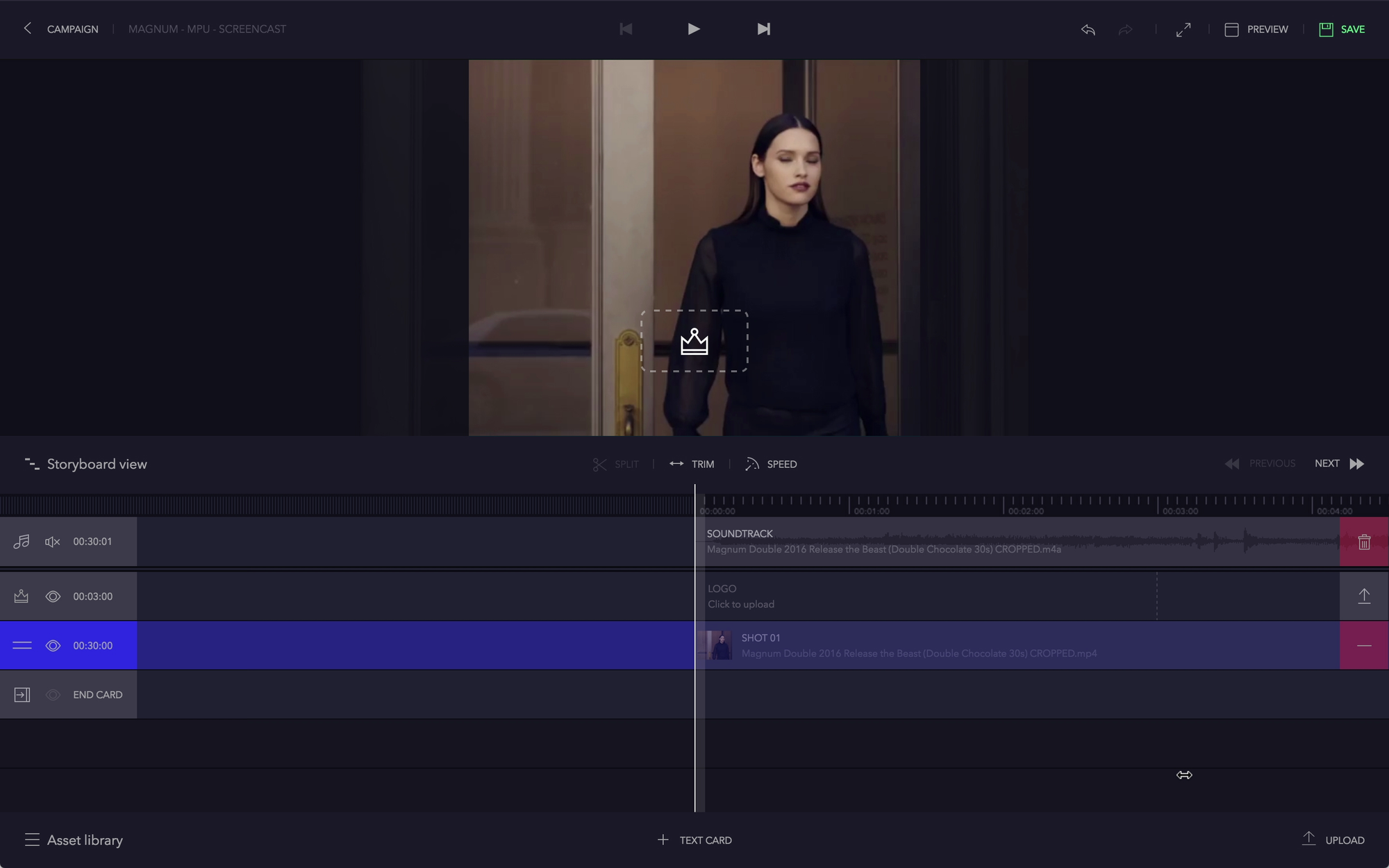
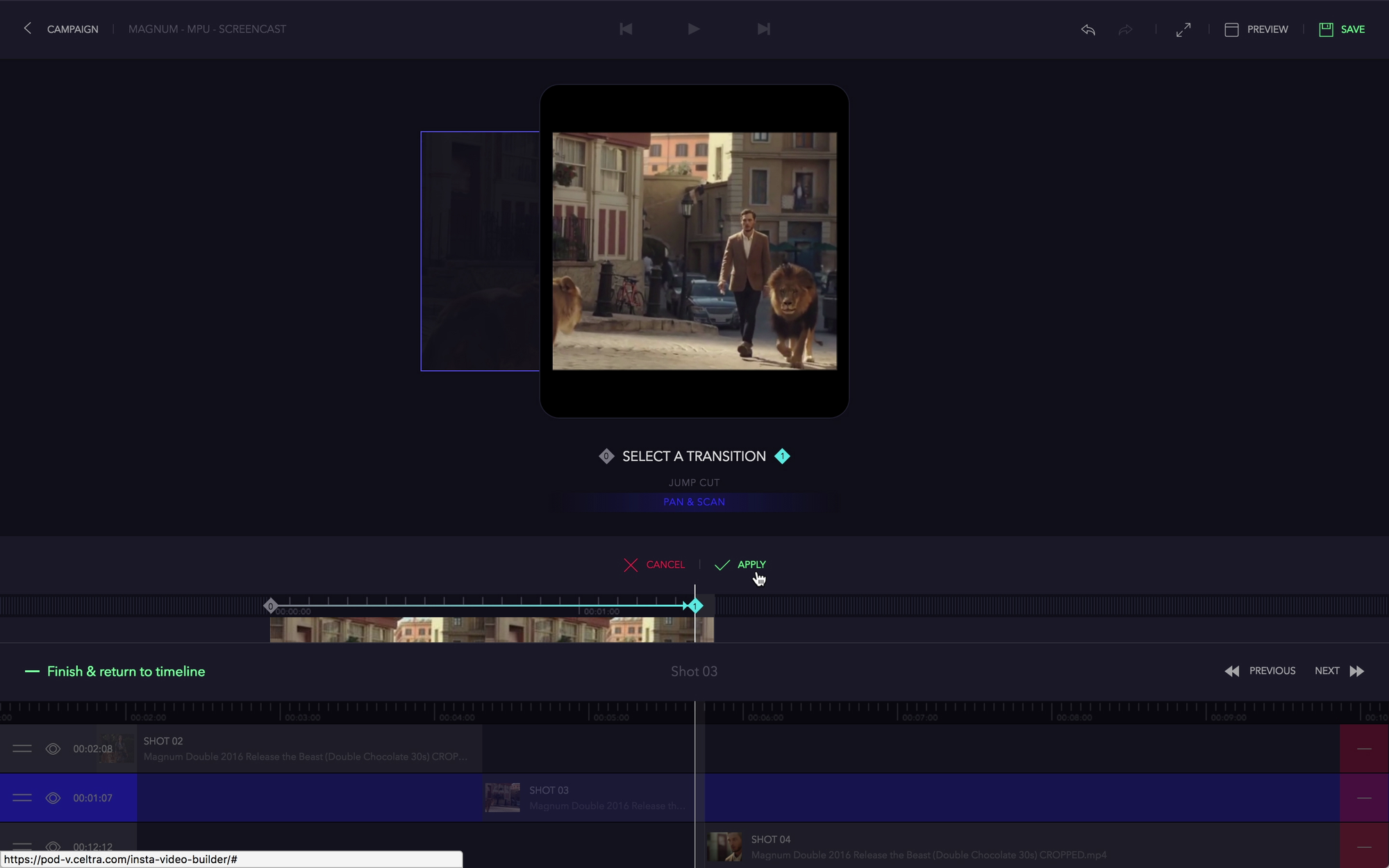
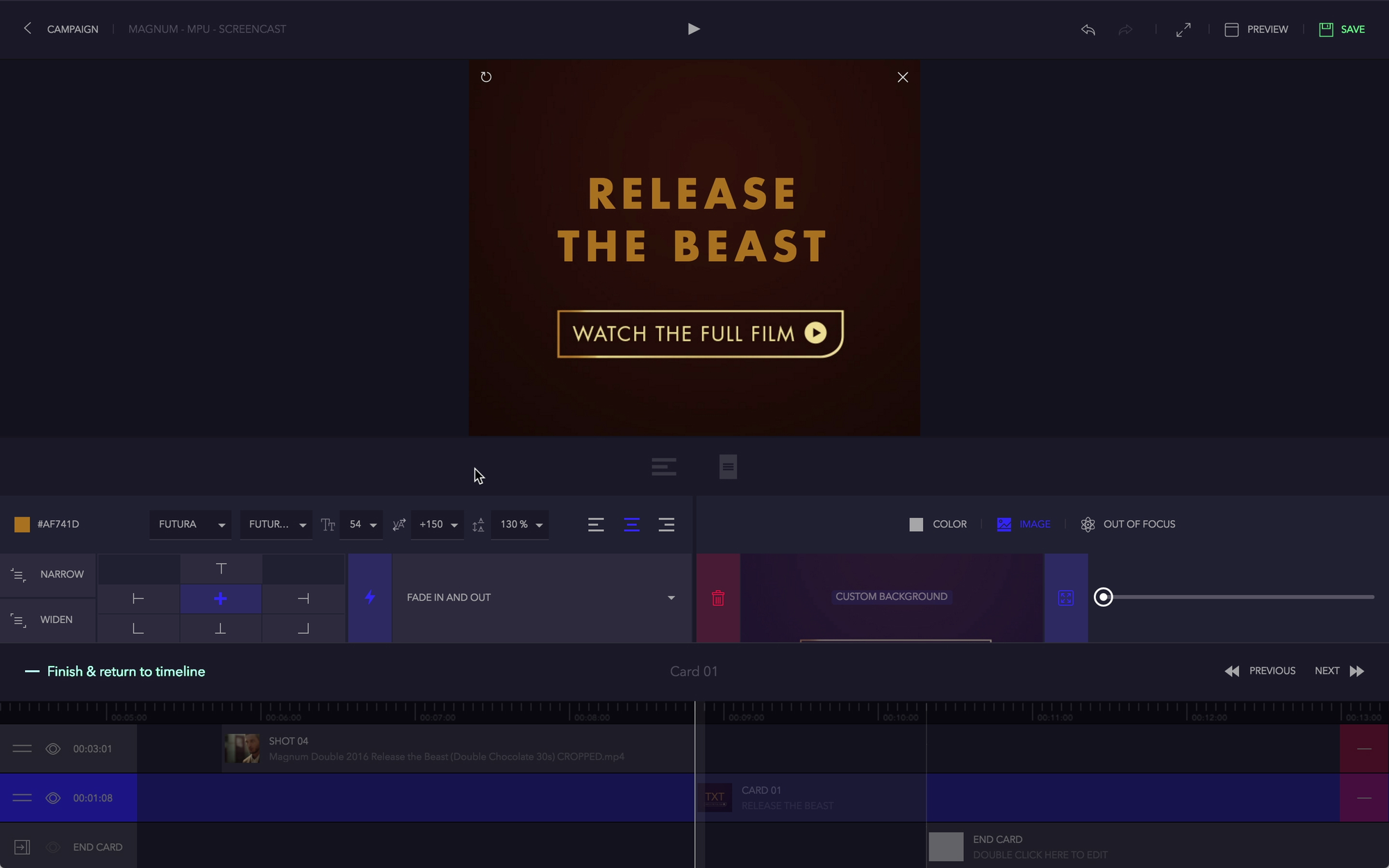
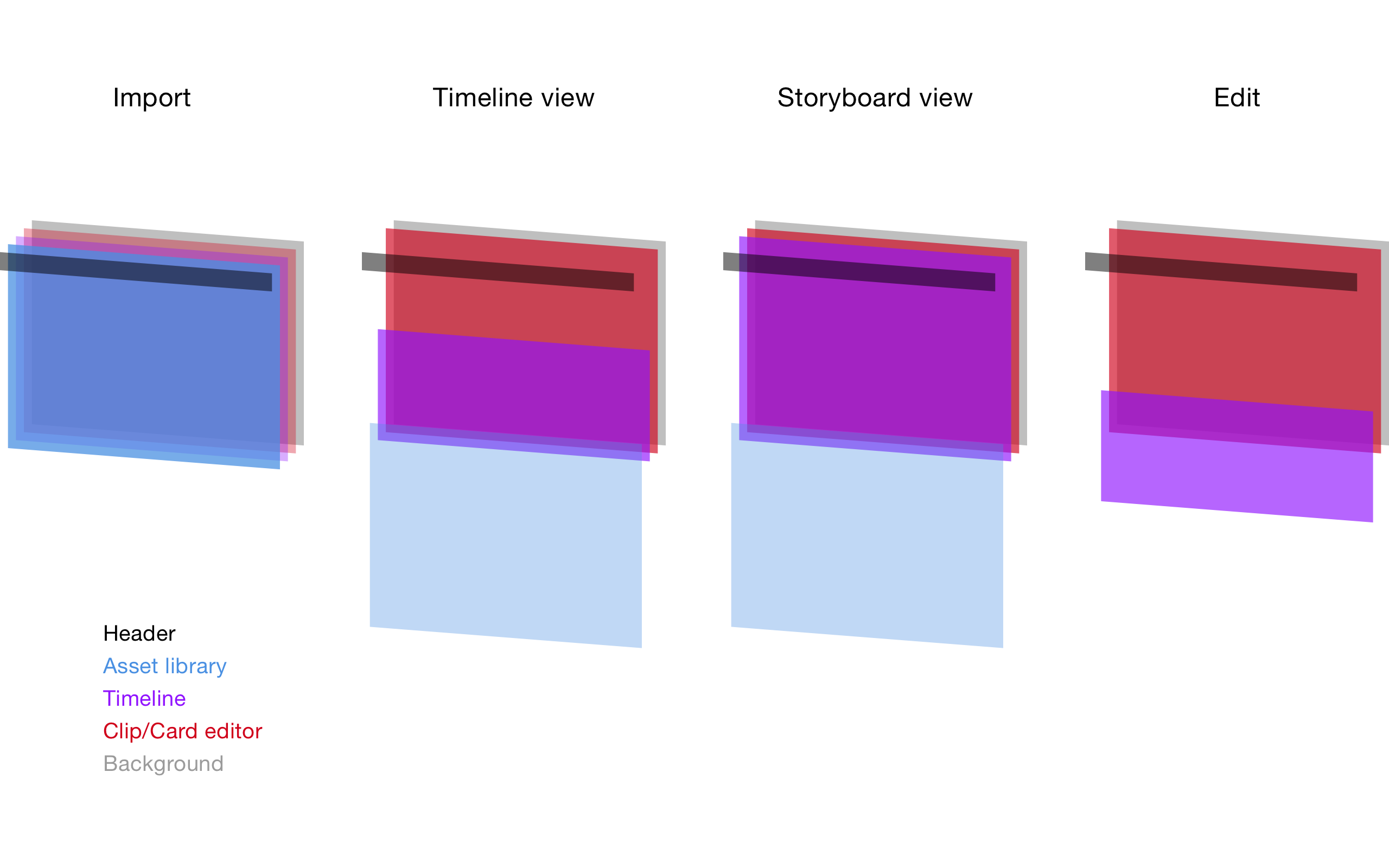
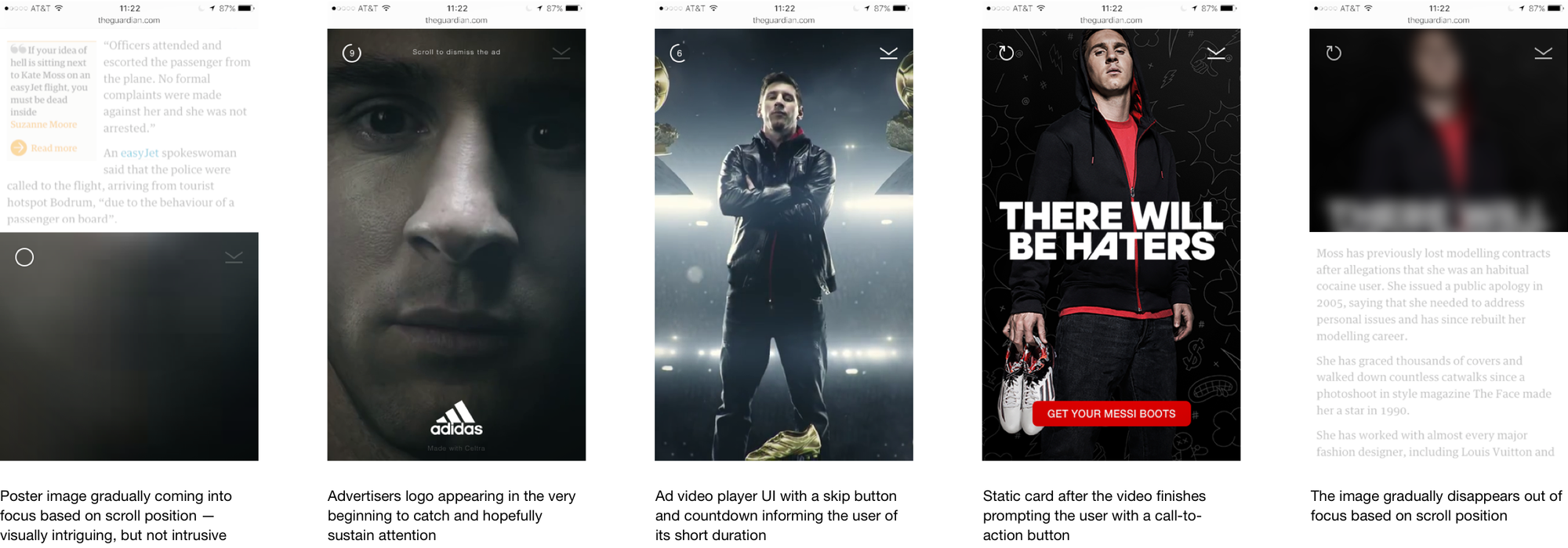
The core of the product was Celtra’s proprietary video player with autoplay. At the time, all mobile browsers required users to tap on a thumbnail to initiate play in the OS-native player, which meant mobile video ads were only available within video content inventory.
Celtra’s engineering team achieved a breakthrough by recompiling the MPEG-2 video decoder to JavaScript, which opened the door for web publishers to compete with native apps for video budgets with in-banner video formats.
Pilots and launch
Before committing to the development of the video editor app, we run a series of pilot campaigns with selected customers to validate the demand and measure performance of the short-form vertical video adaptation method. At the end of 2015, Celtra and Kargo announced a partnership.
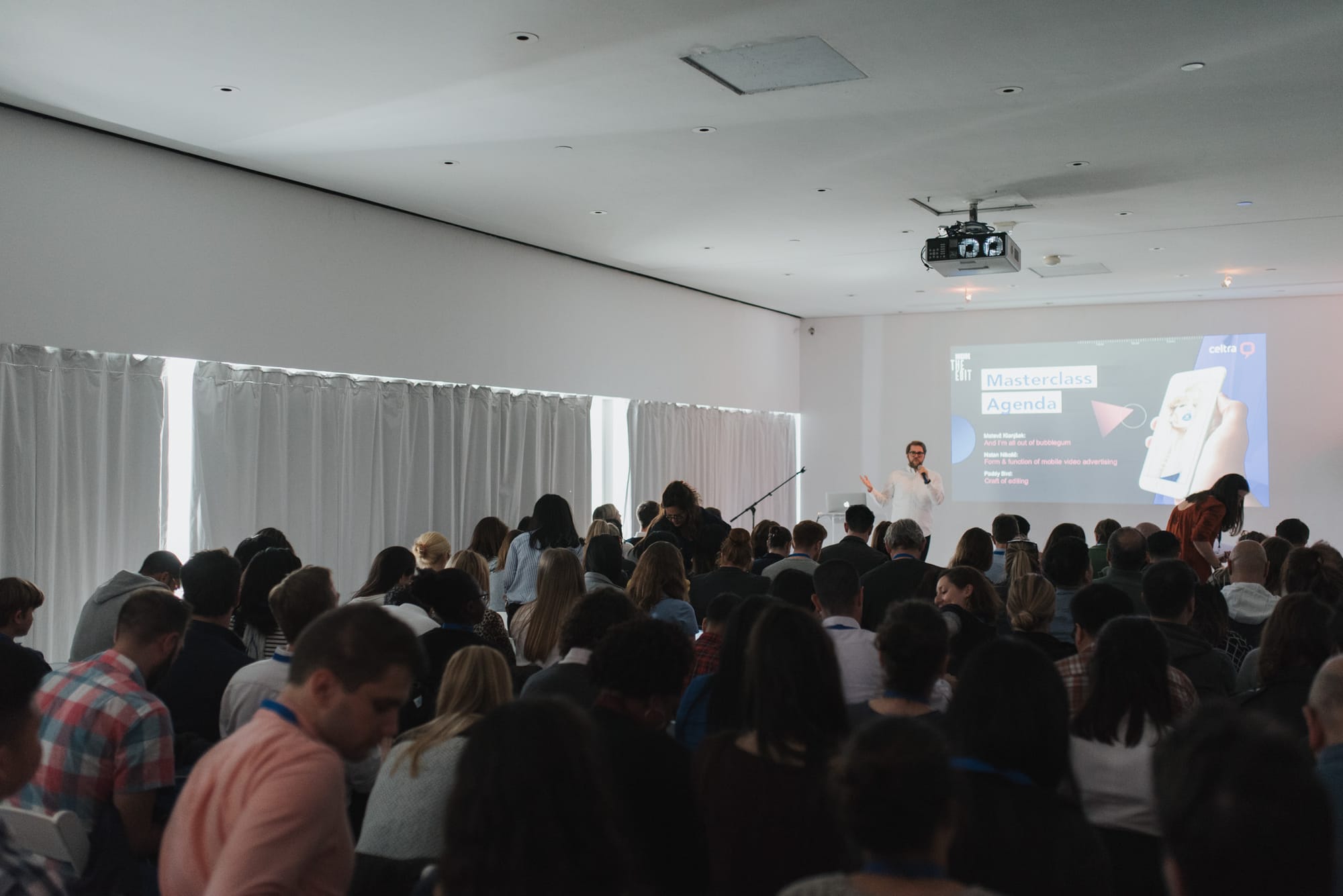
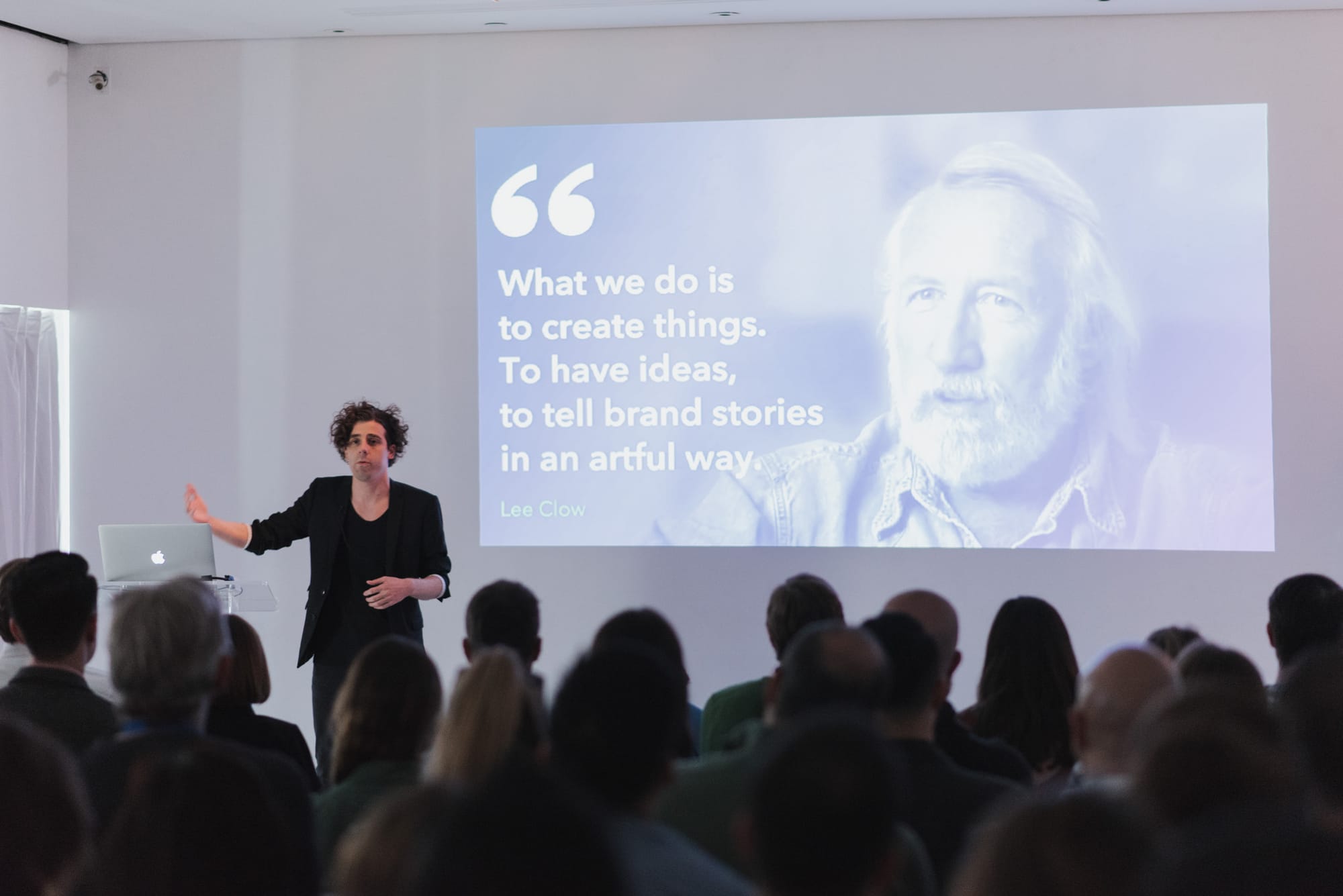
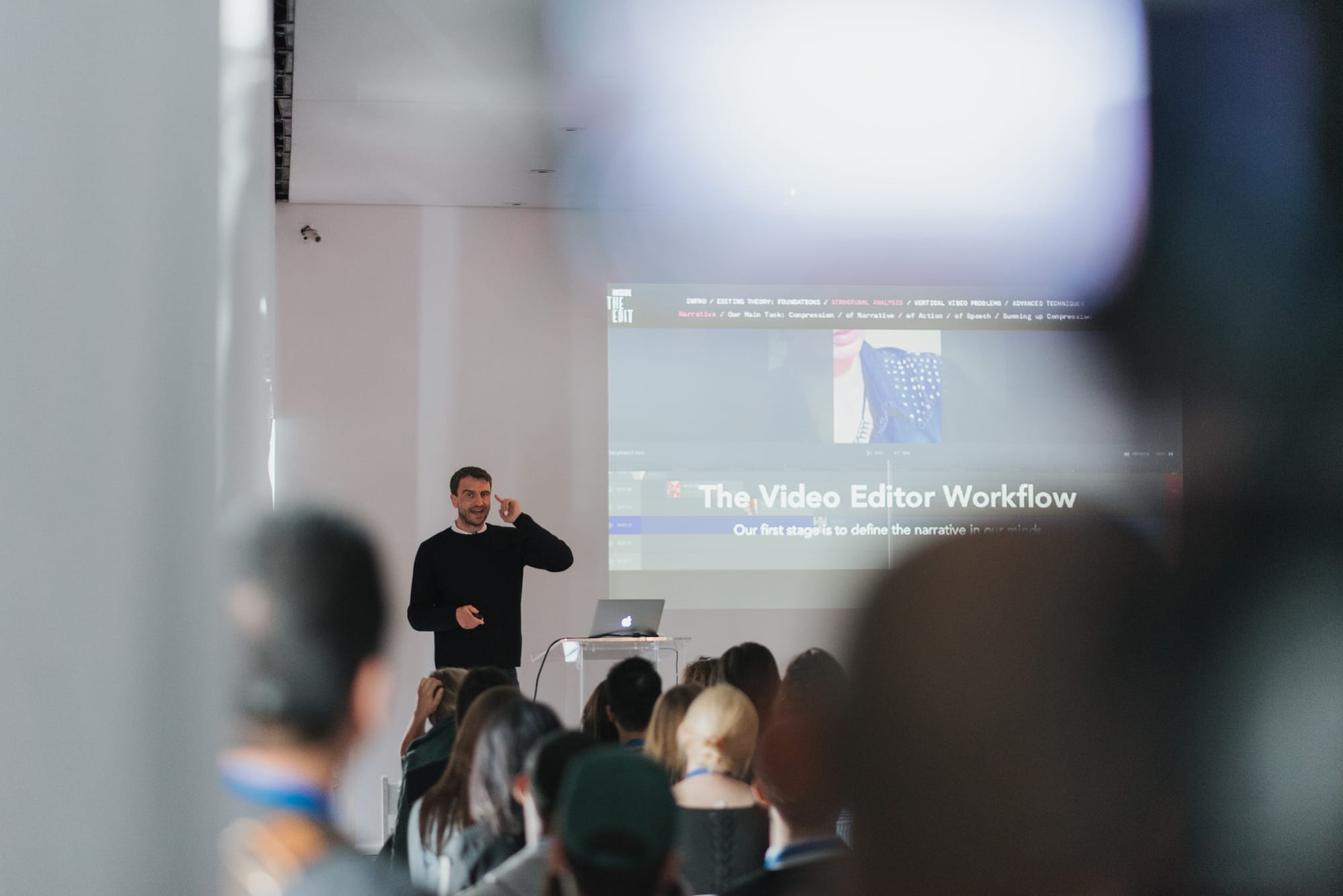
In May 2016, Celtra officially launched the product with The Art of Short Form Video Creation event, which toured in San Francisco, Los Angeles, New York, and London. The event attracted over 700 media professionals from Google, Vice, The New York Times, The Guardian, Hearst, MediaCom, NBC Universal, Time Inc., Twitter, Shazam, Foursquare, and others.
Aftermath
Soon after, mobile browsers enabled native autoplay and made Celtra’s proprietary player obsolete. The second obstacle was obtaining brands’ approval for adapting the video, which publisher customers frequently run into. With product adoption not hitting targets and other initiatives requiring all hands, the company eventually discontinued the product.
More from the project
Credits
Engineering: A. Kmetec, G. Dodig, R. Burgar, M. Uršič, B. Vizjak, S. Jazbar, A. Semiprimožnik, Ž. Tartara, D. Božidar, et al.
Product management: D. Rožac, M. Zegarelli, L. Dong
Product design: A.R. Urankar, D. Kužnik
Data analysis: L. Karelis
Product marketing: V. B. Brzin, Ž. Cotman, T. U. Mosquera, A. Benulič, Š. Buda, B. Jurjavčič, et al.